Laminate flooring can be installed over concrete, wood or carpet subfloor or other surfaces. Installation of good quality underlayment is highly recommended. Installing underlayment is easy but it has to be done precise to avoid any tears.
How do I prepare a concrete floor for laminate?
To get the most out of your laminate flooring, it needs to be dry, level and clean. To ensure your floor from letting in moisture, you must let the concrete cure for 30 days. It needs an excessive amount of time to fend off moisture.
What do you put under laminate flooring on concrete?
With a concrete subfloor, you will need an underlayment that acts as a vapor barrier in order to prevent moisture from penetrating through to your laminate installation. The normal choice is a thin foam pad material made of polyethylene or polypropylene, which rolls out in sheets.
Do I need underlay for laminate flooring on concrete?
Regardless of your subfloor, you always need to use a thin underlay with laminate flooring. But with concrete, it also needs to have a moisture barrier. This is because concrete subfloors release moisture which can be very damaging if absorbed by the laminate planks.Can you glue down laminate flooring to concrete?
Yes, You Can! You are in luck! You can glue laminate flooring to a concrete wall, but you will need a special adhesive to make sure that your planks do not come falling down off of your walls due to the concrete wall having more moisture in it than regular drywall.
Is laminate flooring good for basement?
Laminate flooring is an ideal option if you’re is seeking a low cost, do-it-yourself flooring material in the basement. The key is to eliminate any moisture problems before laying the flooring in order to avoid damage to the floor in the future.
How do I level my basement floor for laminate?
Typically, the floor must be level and uniform within 3/16 inch every 10 feet. Check your wood flooring manufacturer’s recommendations and sand any high spots with a concrete grinder. Fill any low spots with a cementitious leveling compound following the manufacturer’s directions and allow it to dry before proceeding.
Do you have to use a moisture barrier under laminate flooring?
All laminate flooring requires an underlayment to allow the floor to float and give the locking system its strength. … You will need a moisture barrier underlayment when installing: On a cement subfloor. On any subfloor that has a chance of moisture coming up and soaking into the flooring.What flooring is best over concrete?
- Engineered Wood. Natural hardwood flooring offers undeniable beauty and durability. …
- Vinyl. As a longstanding choice for kitchens and bathrooms, vinyl has a reputation for extreme water resistance. …
- Laminate. …
- Carpet. …
- Tile.
If the subfloor in your home or property is uneven, then your laminate floor could move and shift if it doesn’t have an underlayment for support. As a result, the floor will be more prone to wear-and-tear and could even warp. The more stability, the less likely you’ll have to pay out of pocket for costly repairs.
Article first time published onWhat is the best flooring for a basement?
What basement flooring options and materials are the best? The best type of flooring for basements is vinyl. Vinyl flooring can come in the form of vinyl plank and vinyl tile, giving it the ability to look nearly identical to hardwood and stone products with the added benefit of being waterproof.
How do you install waterproof laminate flooring on concrete?
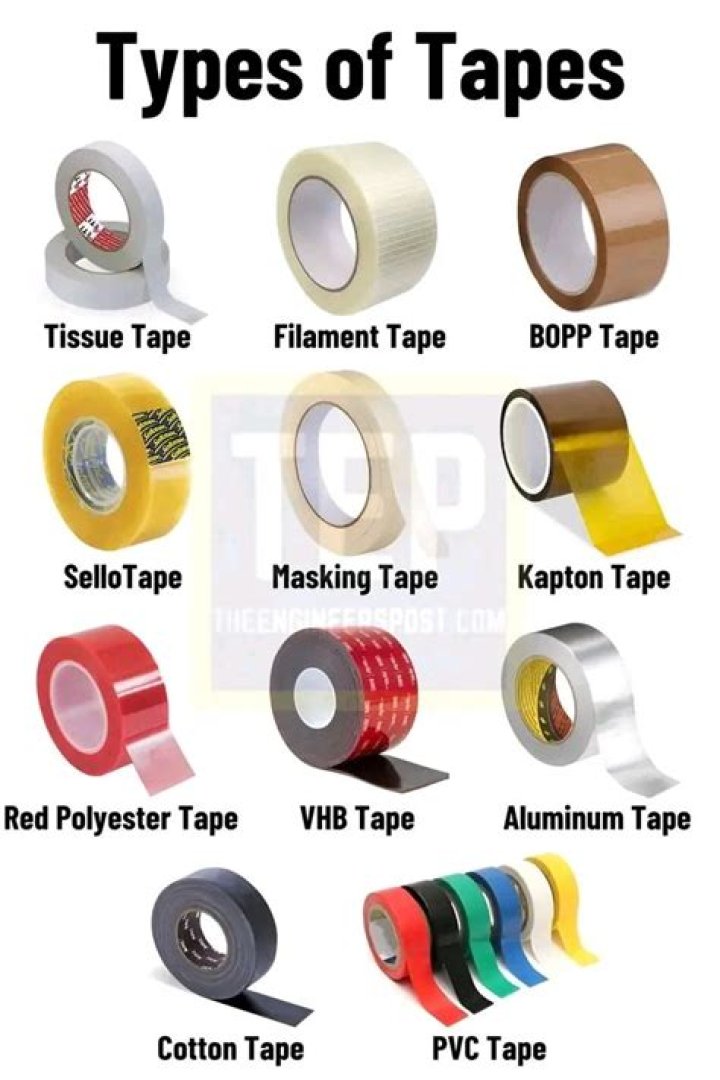
Begin installation by laying a plastic vapour barrier (minimum 6 mm thick) or any other manufacturer-recommended barrier on the concrete subfloor to prevent moisture from reaching the laminate flooring. Use vinyl tape to secure the barrier and keep it from coming out.
Do I need a subfloor over concrete?
If you don’t plan to use the space, there is no need for a subfloor or floor covering. Concrete or tile-over-concrete are acceptable floors for uninhabited basements. But to install any kind of floor covering—engineered wood, laminate, carpeting—basement subflooring is highly required.
Can you install vinyl flooring over concrete?
Generally speaking, you can install vinyl tile directly over concrete, provided there are not any serious problems with the concrete floor. Any concrete floor used as a subfloor for vinyl tile must be clean, dry, and smooth. If there are any cracks or holes, they must be repaired first.
Do I need underlayment for vinyl plank flooring on concrete?
The key to installing luxury vinyl over concrete is to ensure the floor is level and clean. Underlayment isn’t a necessity, but you might consider it to add noise reducing qualities or additional softness to the product. If the concrete is uneven, you will have to level it out.
Is floating floor good for basement?
A floating floor is the perfect solution for a concrete basement subfloor, allowing for the installation of a moisture barrier to protect your basement flooring against moisture damage. Installing a floating floor is the first step to a fully finished basement with your choice of flooring.
Do you need a moisture barrier under vinyl plank flooring on concrete?
A concrete floor may need a moisture barrier before vinyl flooring can be installed. For installation of vinyl flooring you need a smooth, even surface for the underside of the flooring to achieve the best contact for adhesion.
What is better for basement vinyl or laminate?
If flooding in your basement is a concern, vinyl is the material you want. It’s made of plastic so water just can’t penetrate it. This is why it’s become so popular for use in bathrooms and areas with constant or frequent moisture. … Laminate flooring is water resistant, to a point.
How much does waterproof laminate flooring cost?
Waterproof laminate floor generally costs $3 to $5 per square foot, with an industry average of about $4.50 per square foot. Standard laminate flooring, by comparison, averages about $2.50 per square foot. You will pay a premium for a laminate floor that calls itself waterproof.
What is a floating floor in a basement?
The term ”floating floor” refers to an installation process in which flooring does not need to be glued or nailed down. … Floating floors in basements is a very popular flooring choice, it can reach wall to wall, or rest in the middle of a space, creating an island of flooring.
What is the cheapest way to finish a basement floor?
- Epoxy and Concrete Paint. Paint is generally your cheapest basement floor option. …
- Concrete Stain and Sealer. Concrete stain is another inexpensive option. …
- Linoleum or Vinyl. …
- Ceramic Tile Flooring. …
- Rubber and Foam Mats. …
- Traditional Carpet Flooring. …
- Laminate or Engineered Hardwood.
What is the cheapest way to cover a concrete floor?
- Concrete paint.
- Concrete stain.
- Carpet or area rugs.
- Tiles.
- Linoleum.
- Bamboo flooring.
- Cork flooring.
- Concrete overlays.
How can I make my basement floor look better?
- Carpet Tiles. 1/10. …
- Epoxy. 2/10. …
- Concrete Stain. 3/10. …
- Ceramic Tile. 4/10. …
- Vinyl Tile or Planks. 5/10. …
- Engineered Wood. 6/10. …
- Painted Concrete. 7/10. …
- Rubber Floor Tiles. 8/10.
Does laminate flooring need a pad?
Underlayment for laminate flooring is a must. Since laminate is a floating floor, it must be evenly distributed across your subfloor. Underlayment is what allows the floor to float, gives it stability, support, noise reduction, and supports the locking systems in between planks to assure the sturdiest flooring project.
What type of flooring does not need underlayment?
However, you’ll want to use one in every other application including covering existing hardwood floors, vinyl flooring that isn’t cushioned, and concrete floors. You also do not need an underlayment if your vinyl plank flooring has underlayment installed, however, you may need a vapor barrier.
Can u use carpet underlay for laminate flooring?
Although re-using your underlay may be appealing, using a carpet underlay with laminate flooring will cause problems in the long run. … If you install laminate on top of a carpet underlay, the floor will be too bouncy and spongy, which can damage the locking system and provide an uncomfortable feel.
Is luxury vinyl plank flooring good for basements?
So, what is the best flooring for basements? We recommend luxury vinyl plank for most people. LVP is waterproof, durable, and relatively inexpensive. These features offer a one-size-fits-all option to lay on a concrete basement floor.
Should you seal concrete before laying laminate?
You don’t need to seal a concrete floor before installing laminate; however, to prevent moisture from the concrete floor from affecting your laminate, install a vapor barrier of polyethylene film. Install this barrier even if the concrete subfloor is covered by vinyl, linoleum, terrazzo or ceramic tile.