Hydraulic brake-fitting adapters are used in a wide range of applications. They connect brake lines to the different diameter ports in a dual master cylinder, combine various types of fitting—such as inverted flare, pipe, and AN or mix standard and metric fittings.
ARE AN fittings safe for brake lines?
Do not use a compression fitting on your brake system. When you are on the road not only your safety but the safety of others is at risk if you have a compromised brake system. … Brake line compression fittings are a controversial repair component and can lead to failure in the brake system.
What type of fittings are used on brake lines?
- Banjo.
- Center Support Fitting (bracket)
- Male Fitting.
- Female Fitting.
- Other/Special Fitting.
Are aluminum AN fittings OK for brake lines?
Generally, it is recommended to only use steel fittings for brake applications. It is possible that someone makes aluminum fittings that will work for brake applications, but I’d check with the manufacturer before ordering.Can you use Swagelok fittings on brake lines?
Even though Swagelok fittings are very reliable and rated for much higher pressures, if you are using the Stainless Steel version, they are not legal to use for automotive brake lines on public roads. You can use them on a vehicle that is a trailer queen driven on trails only.
How much pressure can a 3/8 compression fitting hold?
Maximum working pressure is 400 psi.
Can you make brake lines out of copper?
While steel lacks inherent rust and corrosion resistance, brake lines made from nickel-copper alloy offer that protection in spades. Made from a mix of around 90-percent copper and 10-percent nickel for added strength, nickel-copper brake lines are practically impervious to rust and highly resistant against corrosion.
Do you use pipe tape on brake lines?
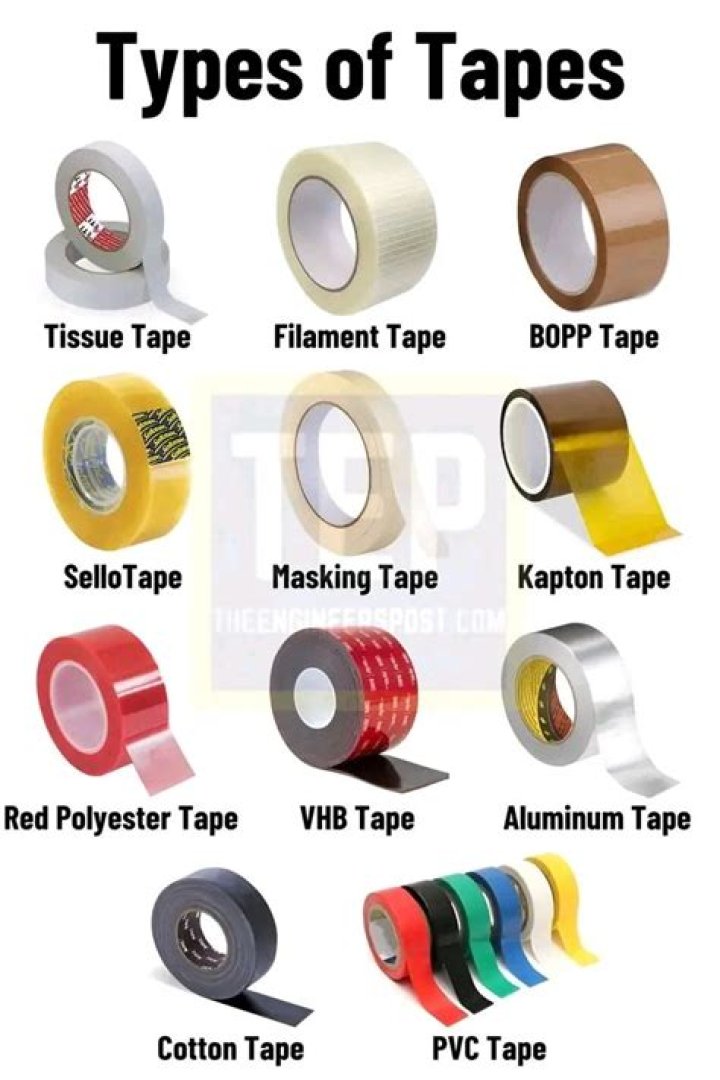
No. You cannot safely, nor should you attempt to use Teflon tape on brake lines. A brake system should not rely on anything to stop a leak.Are all brake line fittings the same?
There are two basic sizes of brake lines. The smaller size is 3/16″/4.75mm brake line, CNF-3; and the larger size is 1/4″ CNF-4. 3/16″ is found on virtually all cars and trucks made in the world.
How much PSI is in a brake line?Typical brake line pressures during a stop range from less than 800psi under “normal” conditions, to as much as 2000psi in a maximum effort.
Article first time published onAre brake line fittings tapered?
We use these in the Street Rod and Racing industries for fluid fittings such as oil lines, brake lines, and coolant lines. NPT threads are tapered to create an interference fit and often use thread tape or thread sealant to form a liquid tight seal without the use of crush washers, O-rings or gaskets.
Are Swagelok fittings reusable?
One of the many advantages of the Swagelok two-ferrule fitting design is the ability to re-use the body without leaks. … If you have made changes in the system design, by moving a fitting to a new location or changing the tubing, you can’t re-use the nuts and ferrules, but you can still re-use the fitting bodies.
What material are brake lines made of?
Stainless steel is used on some vehicles, but the majority of vehicle brake and fuel lines are mild steel tubing that is called Bundy tubing. And the majority of replacement lines are Bundy tubing. Bundy tubing is cheaper than stainless steel, but it is easier to bend, flare and install.
Are brake lines stainless steel?
Braided brake lines are made up of an inner hose (made from Teflon) wrapped in stainless steel braiding. This is often then wrapped in a plastic coating (available in lots of colours) to offer a final level of protection. Brake lines play an integral role within a hydraulic brake system.
Are copper compression fittings reliable?
Although compression fittings are generally considered more reliable than threaded fittings, there are some potential problems. In general, compression fittings are not as resistant to vibration as soldered or welded fittings. Repeated bending may cause the ferrule to lose its grip on the tube.
Are compression fittings as good as solder?
Compression fittings are not nearly as robust as soldered fittings making them much more sensitive to powerful stresses. They are not ideal for applications where they could be potentially exposed to lots of flexing, bending and excessive vibration or tube movement.
How many PSI is Shark bite?
What is the maximum temperature and pressure rating for SharkBite fittings? SharkBite fittings are certified to 200 PSI and 200°F (93°C).
Are brake lines Universal?
Yes, brake lines are universal. As long as the brake lines for your vehicle have the proper sized fitting for attachment and the length is correct, the material is universal.
What size is a brake line fitting?
The two most common brake lines found are 3/16″/4.75mm and 1/4″. The smaller size is 3/16″/4.75mm brake line, CNF-3; and the larger size is 1/4″, CNF-4. 3/16″ is found on virtually all cars and trucks made in the world.
How do you seal brake line fittings?
- Unscrew the brake line from the fitting.
- Clamp the appropriate-sized collet around the line.
- Connect it to the Surseat lapping tool.
- Spray some lubricant to the lapping head before using it.
- Rotate the lapping head back and forth about 6-10 times.
- Clean and inspect the flare.
Do brake lines need thread sealant?
A brake system needs no lubricants or sealers if assembled correctly. If you find a need for any of those products, you have a bad flare, bad fittings, or the fitting is still too loose. If you do want to lube the fittings, use only clean brake fluid.
Can you use Loctite on brake lines?
You never use any type of sealant on brake lines, also the only lubricant you should use during assembly of the brake threads is brake fluid itself. If the flare/cone seal of the brake fittings doesn’t provide a seal then the parts must be changed, there are no safe ways to fix them.
Can a brake line be spliced?
Brake lines suffer impact breakage and corrosion over time and need to be replaced. Some occasions call for replacing just a section of brake line rather than the entire length. Joining two brake lines together with a new spliced section can be accomplished with a few specialty tools and some basic steps.
How hard do F1 drivers brake?
At the Marina Bay Street Circuit, for example – venue for the Singapore Grand Prix – an F1 car will produce braking forces of -4.98G into Turn 7 – the highest braking ‘moment’ of the F1 season. … On each occasion, drivers will have to push the brake pedal with more than 150kg of force.
How much pressure should a brake master cylinder have?
The overall theory between the master cylinder and brake pedal relationship is that a driver can either run out of leg strength or pedal travel to reach the desired 1,000 to 1,200 psi in brake pressure. The balance of these two requirements falls into calculating a proper brake pedal ratio.
Do an fittings need double flare?
Use Double Flared Fittings on Brake Lines—It’s the Law Regardless of how you personally feel about how important it is to use double flared or bubble fittings on a brake line, the fact of the matter remains that it is both objectively unsafe and illegal to use single flared fittings in a brake system.
Are pipe fittings interchangeable with an fittings?
The two are interchangeable in theory, though this is typically not recommended due to the exacting specifications and demands of the aerospace industry. The differences between them relates to thread class and shape (how tight of a fit the threads are), and the metals used.
Is a standard flare a double flare?
There are two basic types of flares used on OEM automotive brake systems throughout the world. The SAE/double (inverted/45degree) flare and the DIN/ISO bubble flare. … The most common is the SAE flare. Typically found on all American and Asian cars, but the European style DIN flare is appearing everywhere now.
Is inverted flare the same as double flare?
The first is the inverted double flare, used by most domestic production cars and trucks. … It uses a 45* double flare to seal, which has tubing that is folded over into itself before flaring outward. The double flare is used for installations that require repeated tightening/untightening.
Can you crimp a brake line?
Replacing brake calipers is a very common job. This is the occasion where techs are most likely to crimp rubber brake hoses. … Pinching the rubber hose stops brake fluid from leaking onto the floor or the technician. Second, crimping a rubber brake hose prevents air from entering the rest of the hydraulic system.
Is cutting brake lines illegal?
From what you have written in the fact pattern of your question, the possible criminal charge against the person who purposefully cut the brake lines of another person’s vehicle with the intent to cause harm where the driver or some passenger of the car dies, would be murder.