While all pools require chemicals to maintain clean, clear water, salt water pools are more stable than traditional chlorinated pools, so they require fewer chemicals.
What chemicals do you need for a saltwater pool?
Salt water pools are most stable with a pH of 7.6, and Alkalinity of 70-80 ppm. A stabilizer level of 50-80 ppm is recommended by most salt system manufacturers. High calcium hardness levels have no effect on salt water pools, but a level of 180-200 ppm may result in less scale on the salt cell plates.
Do you still need to shock a saltwater pool?
Should you add shock to a salt water pool? It’s absolutely okay to shock your salt water pool, and is actually pretty important! … Running your pool’s super-chlorinate feature too often is hard on the motor and will cause it to wear out faster.
How often should I add chemicals to my saltwater pool?
The proper levels are between 80 and 120 ppm. To lower alkalinity, you can add a sodium bisulphate product or muriatic acid. To raise it, add sodium bicarbonate. This process may take a few days as you want to add the chemicals slowly and retest every 24 hours.Is it OK to pee in a saltwater pool?
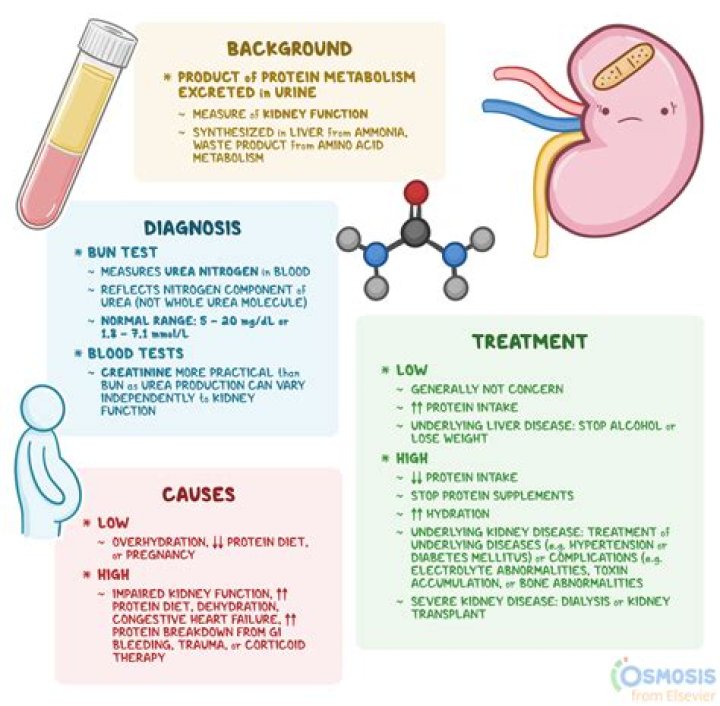
All forms of aquatic life pee in the ocean with no adverse effects to the marine environment. Urea in the ocean actually helps feed plant life, so there is a “system balance” present that is not found in swimming pools.
Are salt pools easier to maintain?
Yes, a salt water pool is easier to maintain! … Simply add salt and your pool’s salt chlorinator will do all the work of making chlorine. While all pools require chemicals to maintain clean, clear water, salt water pools are more stable than traditional chlorinated pools, so they require fewer chemicals.
What are the pros and cons of a salt water pool?
- PRO: Saltwater pool is softer on your eyes and skin.
- CON: A saltwater pool is more expensive than a chlorine pool.
- PRO: They usually require less maintenance than chlorine pools.
- CON: Saltwater pools require expert technicians for repairs.
Can salt water pools raise your blood pressure?
Saltwater Pools Come With Health and Environmental Concerns Providers have also linked higher heart mortality risks to sodium absorption through the skin, particularly among people with: High blood pressure.Do you have to drain a saltwater pool every year?
Answer: It depends on a few factors. 1) are you closing your pool every year and therefore draining and refilling with fresh water at least a bit. 2) water chemistry – the more you have to add, the more your total dissolved solids will increase leading to the need to drain and refill.
What is the average cost of a salt water pool?Salt Water Pool Cost Homeowners pay an average of $25,000 to install a new salt water swimming pool, compared to the cost of installing a traditional pool, which has a price tag of about $23,000 on average. Cost to build a standard, 20,000-gallon pool can be as low as $12,000 or as high as $67,000.
Article first time published onHow much does a salt water pool cost to maintain?
A salt water pool typically costs $50–$100 per year to maintain. Compare this to traditional chlorine pools, which cost $250–$300 per year. Replacing the cell unit costs $700–$900 every 3–7 years.
Why is my salt water pool turning green?
While green algae are endemic in salt water pools, they are the easiest to kill. Green algae tend to grow during summers when the temperatures can get high. They float freely in the pool, making the water green. You might even see them growing on the bottom of the pool, on the walls, or in the crevices.
Is a salt water pool better?
Because they have lower chlorine levels, salt water pools are much gentler on the eyes and skin. Research indicates that salt water systems may be safer than chlorine pools, which force owners to store and handle unsafe chemicals. … Salt water pools produce softer-feeling water, which many find desirable.
How often should a salt water pool be serviced?
You should review the salt cell at least every two months. Most need cleaning a minimum of every six months, and sometimes more often, so checking the cell is essential to make sure it doesn’t need replacing.
Does a saltwater pool need chlorine tablets?
A saltwater pool is an alternative to a traditional chlorine pool. Although you don’t add chlorine tablets to a saltwater pool, it does still contain chlorine. It just has a smaller amount that’s generated through the filter system. A saltwater pool contains 10 times less salt than the ocean.
Can you tell if someone peed in the pool?
There is currently no such urine indicator dye that exists. “Chlorine and other disinfectants are added to a swimming pool to destroy germs. Peeing in a pool depletes chlorine and actually produces an irritant that makes people’s eyes turn red,” said Michele Hlavsa, chief of the CDC’s Healthy Swimming Program.
Why is salt water pools bad?
People who use saltwater pools are still producing chlorine through saltwater generators. Saltwater will sanitize your pool, but it does so through electrolysis, which produces bacteria-killing chlorine. In other words, saltwater pools are no healthier or safer than chlorinated ones.
Why do hotels have salt water pools?
While there is still chlorine in a saltwater pool, they have significantly lower chlorine levels than a normal chlorinated pool. … The reason is probably a saltwater pool is healthier than using chlorine. You must exit the pool and the changing rooms and showers are directly in front of you.
Which is better a salt or chlorine pool?
Lower chlorine levels make saltwater pools gentler on skin and eyes. … Chlorine levels in saltwater pools are enough to disinfect, but not enough to fade expensive swimwear and gear. Because of the natural chlorine, saltwater pools require fewer chemicals (and less attention) compared to chlorinated pools.
Can salt water pools be heated?
Heating a Pool That Uses Salt Chlorine Generation There are several types of swimming pool heaters including solar, electric, gas, and thermal blankets. All are compatible with saltwater chlorine generator systems. … Solar blankets; traps heat fast and are the least expensive way to heat your pool.
Is a salt pool better than chlorine?
A salt water pool isn’t better than a chlorine pool because it IS a chlorine pool. A saltwater pool system is the same thing as a salt “chlorine” generator/salt water chlorinator. Saltwater pools electrically convert pool salt into chlorine.
Do you need a different pump for a saltwater pool?
Salt water systems are completely chlorine-free. … You need a special pump and filter to run a salt water pool. There is no such thing as a “salt water pump” or “salt water filter”; any pool pump or filter will do just fine.
Do saltwater pools taste salty?
Saltwater pools do not generally taste salty. To compare, the salt in seawater is concentrated to about 35,000 parts PPM (parts per million). Saltwater pools’ salinity is about 3,000 PPM. So, the salt—and the taste of salt—in saltwater pools is about 10 times less than that of seawater.
How much cheaper is a salt water pool?
A saltwater pool requires less than $100 a year in salt and chemicals if it is consistently maintained. A chlorine pool, on the other hand, will cost between $300 and $800 per year in maintenance chemicals.
Which is easier to maintain saltwater or chlorine pool?
Generally, these pools require less maintenance than a chlorine pool. As we said above, it will also be better for your skin because of the lower chlorine levels. … Saltwater pools are also generally the cleaner of the two. Having a salt water pool could also be safer than having a chlorine pool.
Do you have to winterize a saltwater pool?
Winterizing is an important step whether you own a salt water pool or a regular chlorine pool and will help make spring start up a whole lot easier as well as reduce the time and chemicals needed to get your pool ready.
Can you swim while salt water system is running?
However, because chlorine dissipates over time (which is why pool owners must constantly go to the store, constantly purchase, and continually add standard chlorine to their pools), if you happen to run your Saltwater System too long, you can simply begin running it for a shorter period the next day, and your pool will …
What are the benefits of swimming in salt water?
- Improves Blood Circulation. Increased and improved blood circulation endorses cell growth and organ function. …
- Improves Immune System. …
- Relieves Cold and Flu Symptoms. …
- Improves Wellbeing: …
- Better Skin.
Do salt water pools affect your body?
Swimming in a salt water pool is better on the joints and muscles than a traditional chlorinated pool. Salt water contains bromide, a mineral that helps relieve those everyday aches, pains and soreness we all feel deep within our joints and muscles.
Can any pool be a salt water pool?
Enjoy your Salt Water Pool You can convert your chlorine pool into a saltwater swimming pool and enjoy the benefits of salt water chlorination right in your own backyard. If your pool has a traditional chlorine sanitization system, you can easily switch to Hayward’s advanced salt chlorination system.
Is a pool worth the money?
Resale Value A pool can increase not only your social worth but also the value of your home. However, the increase is probably not as much as you think. According to HouseLogic, there’s no real guarantee that you’ll make your money back. In fact, adding a swimming pool may only increase your home’s value by 7%.