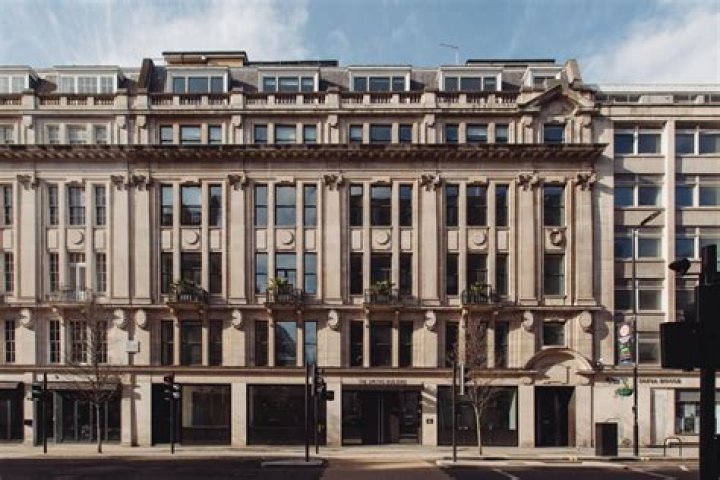
Most newer homes with exterior stucco have an acrylic-polymer finish, which will expand and contract with the weather. This keeps cracks to a minimum and means the stucco can easily last up to 50 years before needing to be repaired.
What are the problems with synthetic stucco?
Severe Synthetic Stucco Problems Delamination, which is synthetic stucco detaching from your home’s exterior. Rotting of wood beams and trim. Mold and mildew growth, both on interior walls and beneath on the home’s base walls. Infestation of termites and other moisture seeking insects.
Is synthetic stucco better than regular stucco?
Synthetic Stucco Performance. Traditional stucco is more durable, fire resistant, and has greater longevity, being able to last up to 50 years with low maintenance. … However, synthetic stucco has more elasticity and can expand and contract better than traditional stucco without cracking.
How often does synthetic stucco need to be painted?
The USDA Forest Service recommends that their synthetic stucco buildings be painted every five to seven years. Synthetic stucco has come under fire for causing water retention problems, where moisture wicks through the layers and becomes trapped, causing wood and drywall to rot.How much does it cost to replace synthetic stucco?
Synthetic Stucco CostsZip CodeBasicBestInstallation Cost$252.00 – $384.00$504.00 – $648.00Total$372.00 – $576.00$744.00 – $984.00Synthetic Stucco – Total Average Cost per square foot$3.95$7.20
When did they stop using EIFS?
Future homeowners loved the look of the EIFS houses. The recession of 1990 was the only thing that slowed down the business as the EIFS industry’s sales dropped for the first time in 1991. But the business rebounded in 1992 and the EIFS residential business continued to grow—that is until it ran into the perfect storm.
Do builders still use synthetic stucco?
It was introduced in the United States on commercial buildings in the 1970s and on homes in the 1980s. This system is currently applied to approximately 2 percent of residential structures. The moisture intrusion controversy erupted in 1995, with several EIFS-related lawsuits filed in North Carolina.
How can you tell if stucco is synthetic?
The easiest way to identify synthetic stucco (EIFS) is by touching the material with your bare hand. When you touch the wall where the stucco is installed, it will feel like plastic. You can also knock gently on the wall. If it sounds hollow and thin, you have EIFS on your home.How do you maintain synthetic stucco?
Use gentle pressure and scrubbing to keep your synthetic stucco durable and resistant to wear. Regular cleaning with the proper technique can ensure your synthetic stucco finish looks its best. Fill a pump sprayer with 1 qt. chlorine bleach and 1 cup trisodium phosphate per gallon of warm water.
Can I paint EIFS stucco?On a side note, EIFS can be painted just like traditional stucco. … Just like any other exterior wall cladding material, synthetic stucco can deliver fantastic curb appeal and make any commercial property stand out as long as it’s properly maintained.
Article first time published onIs EIFS stucco still used?
In the Southwest and on the Gulf Coast, especially, EIFS—also known as synthetic stucco—appealed to builders and architects as a reliable alternative to true stucco. … Yet today, EIFS are still around. About 100 million square feet of EIFS went on new and remodeled homes last year, rivaling any other siding material.
Is EIFS stucco bad?
The problems with barrier EIFS cladding all stem from water intrusion. These problems include moisture accumulation in the wall cavity, subsequent wood damage and, in more advanced cases, mold growth and the infestation of pests such as carpenter ants or termites.
What are the benefits of synthetic stucco?
- Extremely durable.
- Strong enough to withstand hurricane-strength wind.
- More prone to water absorption and damage than traditional stucco.
- Slightly less resistant to impact damage.
Is synthetic stucco expensive?
Traditional stucco typically costs $4.50-$8 per square foot installed. For a typical house with 2,000 square feet of wall space, this would be $9,000-$16,000. Synthetic stucco Exterior Insulating Finishing Systems will cost $6-$10 per square foot of wall space, including installation.
Should I replace EIFS?
While moisture can get behind just about any exterior surface on a home, the plastic nature of the EIFS synthetic stucco coatings tends to trap moisture. This trapped moisture is the match that lights the mold growth and wood rot fuse. … The EIFS synthetic stucco system must be removed for any number of reasons.
Can you replace EIFS with stucco?
A potential homebuyer may insist on this in the contract and before completing their purchase of the home. -Consider replacing the EIFS with a stone veneer, Hardie board, actual stucco, or a combination of these materials.
How long does EIFS stucco last?
How long should EIFS last? If properly maintained, the cladding will last the life of the building. Initial EIFS walls were installed in the late 1960’s and most are still in service as of this writing (2014).
How do you know if EIFS is bad?
If it has a hollow sound it is EIFS. If it hurts and bloodies your knuckle, it is stucco beneath. Take a knife and dig into a small portion of the topcoat in an inconspicuous area. If it is scratchy, it is cement-based.
Why EIFS is the best?
EIFS has many benefits since its introduction back in the 1960s. Excellent insular properties, relatively cheap production, and fantastic handling make this material an excellent choice for quick construction projects, normal development and much more.
Can EIFS be repaired?
The damage to the EIFS system may be the result of intentional vandalism, unintentional damage resulting from traffic, landscaping activities etc, or weather phenomenon such as blowing debris, heavy hail etc. Holes or other damage is easily repaired with Terraco Styrobond HB DP – less than 50 mm in diameter.
What is the difference between EIFS and stucco?
What’s The Difference Between EIFS and Traditional Stucco? A traditional hard-coat stucco exterior system is extremely strong and durable because it essentially covers your home with a layer of rock. … Barrier EIFS on the other hand, uses a multi-layer “synthetic” stucco that is much softer than traditional stucco.
Can you pressure wash synthetic stucco?
A: First of all, do not use a pressure washer on a synthetic stucco surface. … So if water gets in (for example by getting forced in by a pressure washer), it can’t get out and will eventually lead to rot and mildew.
Can EIFS be power washed?
The good news is EIFS can be cleaned if your pressure washing contractor is trained like Sparkle Wash technicians are. … Unskilled power wash operators tend toward use of high pressures or harsh chemicals, either of which can damage the finish coat of the material.
Is EIFS more expensive than stucco?
The installation process for EIFS stucco is much more complicated and time-consuming than traditional stucco. The multiple layers also need to be installed by an expert, since the risk of error runs high. EIFS is more costly than traditional stucco.
Does EIFS have one coat stucco?
The three wall systems that are widely accepted today are: traditional three- coat stucco; one coat fiber reinforced stucco (FRS); and exterior insulation and finish systems (EIFS). The choice of an assembly or system will depend on the type of construction, appearance desired and environmental conditions.
How much does it cost to install EIFS?
EIFS is one of the most economical systems available, with an estimated material cost per square foot at $0.86 and installation cost of $5 to $6, which compares with the cost per square foot for brick at $1.25 with an installation cost of $8.50.
How long does it take EIFS to dry?
1. Apply finish directly over the base coat (or primed base coat as spec- ified) ONLY AFTER THE BASE COAT/PRIMER HAS THOROUGHLY DRIED. 24 hours minimum drying time is recommended. If cool and/or damp conditions exist, allow additional drying time, minimum 72 hours.
What type of stucco is best?
If weather is a concern and you have enough money in your budget, acrylic stucco might be the best choice for you. Synthetic stucco material is also called an exterior insulation and finish system (EIFS), and it is a polymer-based laminate that is applied in two coats over a rigid insulation board secured to a wall.
How do you maintain EIFS stucco?
In many cases, the soiled surface can be cleaned with low-pressure cool water, mild cleaning detergents and a soft bristle brush. EIFS are designed to be highly flexible, which makes them exceptionally resistant to the cracking problems that are all too common with stucco, concrete and brick exteriors.
What is stucco EIFS?
EIFS stucco refers to Exterior Insulation and Finish System, also called synthetic stucco. It’s made of acrylic and applied in several 1/8” layers over polystyrene or some other insulation board on top of plywood or some other exterior sheathing.
When was EIFS stucco used?
In 1963, EIFS were first marketed in Europe, and in 1969, EIFS were first introduced in the United States. They were first used on commercial buildings, and later, on homes. EIFS use in the United State’s residential construction market gained prominence in the late 80’s to late 90’s.