Most fertilizers that are commonly used in agriculture contain the three basic plant nutrients: nitrogen, phosphorus, and potassium. Some fertilizers also contain certain “micronutrients,” such as zinc and other metals, that are necessary for plant growth.
How does fertilizer affect the growth of a plant?
Fertilizers provide essential nutrients to plants in form of soluble salt compounds, and directly affect plant growth. … Over- fertilization can lead to sudden plant growth with an insufficient root system to supply adequate water and nutrients to the plant.
What substances affect plant growth?
The Big Three — N-P-K. Nitrogen, phosphorus, and potassium are the big three in fertilizer formulations. Plants require these three macronutrients to grow large and lush. Nitrogen promotes the growth of the foliage, while phosphorus and potassium support the growth of strong roots, stems, flowers and fruits.
What are the 3 main components of fertilizer?
Nitrogen, phosphorus and potassium, or NPK, are the “Big 3” primary nutrients in commercial fertilizers. Each of these fundamental nutrients plays a key role in plant nutrition. Nitrogen is considered to be the most important nutrient, and plants absorb more nitrogen than any other element.What are the negative effects of fertilizer?
- Oxygen Depletion.
- Weed Growth and Algae Blooms.
- Ammonia Toxicity.
- Fecal Organisms.
- Nitrates.
- Odors and Gases.
- Summary.
How chemical fertilizers affect the soil?
Constant use of chemical fertilizer can alter the pH of soil, increase pests, acidification, and soil crust, which results in decreasing organic matter load, humus load, useful organisms, stunting plant growth, and even become responsible for the emission of greenhouse gases.
How does fertilizer affect photosynthesis?
The use of fertilizer to assist in the supply of CO2 increases the rate of photosynthesis. In this work, a slow-release CO2 gas fertilizer inspired by polyphenol chemistry was prepared to provide sustainable CO2 that could improve plant photosynthetic capacity and get a higher crop yield.
What is NPK for plants?
What is the full meaning of NPK? Nitrogen, phosphorus and potassium. Let’s review what each of these three nutrients does for your plant. N stands for nitrogen.What are the key ingredients in fertilizer?
Most fertilizers that are commonly used in agriculture contain the three basic plant nutrients: nitrogen, phosphorus, and potassium. Some fertilizers also contain certain “micronutrients,” such as zinc and other metals, that are necessary for plant growth.
What NPK stand for?What the Numbers Mean. … These three numbers form what is called the fertilizer’s N-P-K ratio — the proportion of three plant nutrients in order: nitrogen (N), phosphorus (P) and potassium (K). The product’s N-P-K numbers reflect each nutrient’s percentage by weight.
Article first time published onWhat chemical is an important fertilizer for all plants?
Nitrogen is the most important fertilizer since nitrogen is present in proteins, DNA and other components (e.g., chlorophyll). To be nutritious to plants, nitrogen must be made available in a “fixed” form.
Which fertilizer helps plants grow faster?
1. Nitrates (The leaf makers): These fertilizers are high in nitrogen. Nitrate help plants to grow faster by encouraging formation of more & more leaves.
What liquids affect plant growth?
Plants need three main elements in order to grow: water, sunlight and carbon dioxide. Water is important to plants for various reasons, such as transporting gases during photosynthesis and creating glucose needed for energy. Plants can also grow when watered with other liquids.
How does fertilizer affect the quality of crops?
Fertilizers play an important role in providing crops with the nutrients they need to grow and be harvested for nutritious food. Fertilizers help deliver enough food to feed the world’s population. … For example, micronutrients such as zinc are important to human nutrition, especially children.
How does fertilizer affect groundwater?
Fertilizers can contaminate groundwater, which is the underground water that replenishes wells and springs. Groundwater is the source of drinking water for many Texans. … The nitrate form of nitrogen (NO3-N) dissolves very easily in water and can leach downward, particularly through coarse-textured (sandy) soils.
How do fertilizers affect the environment?
Fertilizers consists of substances and chemicals like methane, carbon dioxide, ammonia, and nitrogen, the emission of which has contributed to a great extent in the quantity of greenhouse gases present in the environment. This in turn is leading to global warming and weather changes.
What effect does fertilizer have on the growth of plant independent variable?
If the amount of fertilizer applied to plants is increased, then plant growth (height) will increase. As the amount of fertilizer increases the plant growth increases.
What happens when you add too much fertilizer to plants?
Placing too much fertilizer around plants can lead to fertilizer burn. The high amount of salts associated with over fertilization can disrupt water uptake by the roots. Plants with fertilizer burn will often have leaf scorch type symptoms.
Can fertilizer burn plants?
Simply put, fertilizer burn is a condition that results in the burning or scorching of plant foliage. … Fertilizer contains salts, which draw moisture out of plants. When you apply excess fertilizer to plants, the result is yellow or brown discoloration and root damage.
How do fertilizers cause soil pollution?
Fertilization may affect the accumulation of heavy metals in soil and plant system. Plants absorb the fertilizers through the soil, they can enter the food chain. Thus, fertilization leads to water, soil and air pollution.
Why are fertilizers harmful to soil?
Chemical fertiliser overuse can contribute to soil acidification and soil crust, thereby reducing the content of organic matter, humus content, beneficial species, stunting plant growth, altering the pH of the soil, growing pests, and even leading to the release of greenhouse gases.
What makes a good fertilizer?
In order for a plant to grow and thrive, it needs a number of different chemical elements. The most important are: … Nitrogen, phosphorus, potassium (a.k.a. potash) – The three macronutrients and the three elements you find in most packaged fertilizers. Sulfur, calcium, and magnesium – Secondary nutrients.
What does phosphate do for plants?
Phosphates are important to plants as they encourage root growth and so increase the uptake of other nutrients. For healthy crops and plants (or lawns) first have an accurate soil sample test performed to determine what fertilizer you may need.
Which fertilizer is high in potash?
Comfrey is potash rich, so is useful for flowering and fruiting plants and vegetables; nettles are high in nitrogen, especially in spring, and the liquor from a wormery is a good general feed.
Which fertilizer has high Phosphorus?
Fertilizers that are high in phosphorus include mushroom compost, hair, rock phosphate, bone meal, burned cucumber skins, bat guano, fish meal, cottonseed meal, worm castings, blood meal, manure, and compost.
Is urea a fertilizer?
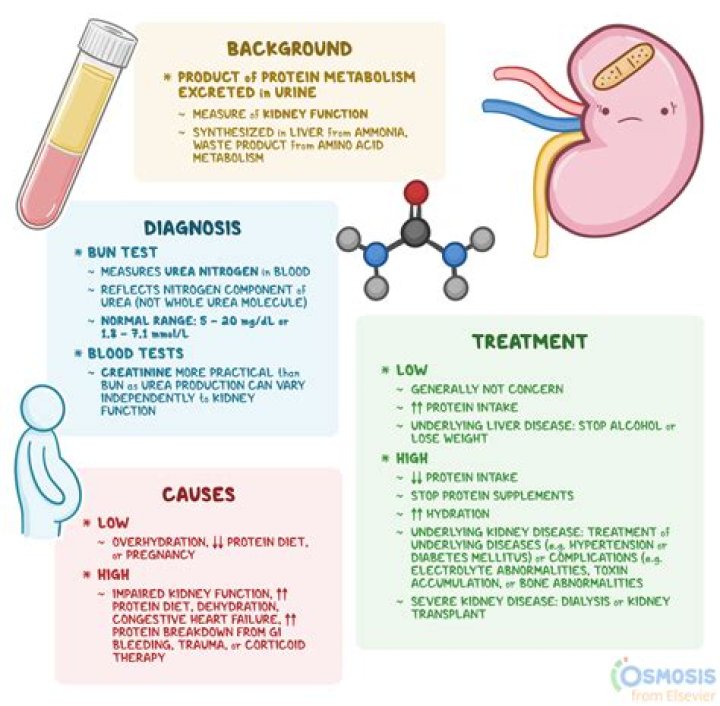
Urea is a source of Nitrogen, an essential nutrient crucial for crop growth and development. Urea is the most important nitrogenous fertilizer in the country because of its high N content (46%N). It also has industrial applications such as the production of plastics and as a nutritional supplement for cattle.
Can manure be used as fertilizer?
Animal manure, such as chicken manure and cow dung, has been used for centuries as a fertilizer for farming. It can improve the soil structure (aggregation) so that the soil holds more nutrients and water, and therefore becomes more fertile.
What does Potash do for plants?
Potassium (K) is an essential element for plant growth it is important to food crops. Potassium, often called potash, helps plants use water and resist drought and enhances fruits and vegetables. If soluble Potassium is deficient in soil it can stunt growth and cause other symptomatic issues.
Which is the most important element for plant growth?
Nitrogen (N) is made available to the plant from the air and soil. But most of the needed elements that are nutrients for plants come from the soil. They are not all equally important but all play a role in plant growth. Most needed are nitrogen (N), phosphorus (P), potassium (K), and sulphur (S).
What is an essential ingredient for growing plants?
Plants require several different chemical elements in order to thrive. Oxygen, carbon and hydrogen are found in water and air; secondary nutrients that plants need include magnesium, calcium and sulfur. Beyond that, plants also need such micronutrients as zinc, molybdenum, copper, manganese, cobalt, iron and boron.
How do you speed up plant growth?
Fertilizers. The single most effective way of speeding up the growth in plants is plant fertilizers. Plant fertilizers vary in terms of their NPK composition. Generally speaking, nitrogen aids new green growth, phosphorus builds strong roots and flowers, and potassium ensures strong and healthy plant cells.