Physical properties refer to properties that can be observed or measured without changing the composition of the material. Examples include colour, hardness and smell and freezing, melting and boiling points. Chemical properties are discovered by observing chemical reactions.
What are the properties of material?
- Physical properties: It includes luster, color, size and shape, density, elastic and thermal conductivity, and melting point.
- Chemical properties: It includes chemical composition, structure, etc.
- Mechanical properties:
What are properties examples?
Examples of property, which may be tangible or intangible, include automotive vehicles, industrial equipment, furniture, and real estate—the last of which is often referred to as “real property.” Most properties hold current or potential monetary value and are therefore considered to be assets.
What are the properties of material answer?
- Hardness.
- Malleability.
- Ductility.
- Good conductor of heat and electricity.
What are the 5 properties of materials?
- density.
- melting point.
- thermal conductivity.
- electrical conductivity (resistivity)
- thermal expansion.
- corrosion resistance.
What are the 10 properties of materials?
- Conductivity.
- Corrosion Resistance.
- Density.
- Ductility / Malleability.
- Elasticity / Stiffness.
- Fracture Toughness.
- Hardness.
- Plasticity.
How many properties of material are there?
13 Mechanical Properties of Materials – You Must Know – [PDF]
What are the properties of materials Class 6?
- Roughness or smoothness.
- Hardness or softness.
- Transparency, translucency or opaqueness.
- Physical state (solid, liquid or gas)
- Appearance (shiny or dull)
- Solubility or insolubility in water.
- Heaviness or lightness with respect to water.
- Attraction towards magnet.
What is the four properties of material?
ANSWER: The four properties of material are mass, toughness, hardness and malleability.
What are 5 chemical properties examples?Examples of chemical properties include flammability, toxicity, acidity, reactivity (many types), and heat of combustion.
Article first time published onWhat are the 15 examples of physical properties?
- color (intensive)
- density (intensive)
- volume (extensive)
- mass (extensive)
- boiling point (intensive): the temperature at which a substance boils.
- melting point (intensive): the temperature at which a substance melts.
What are the 3 types of property?
In economics and political economy, there are three broad forms of property: private property, public property, and collective property (also called cooperative property).
What are examples of materials?
- metal.
- plastic.
- wood.
- glass.
- ceramics.
- synthetic fibres.
- composites (made from two or more materials combined together)
What are the properties of materials for Grade 3?
- Color – what is the overall color of the material.
- State of matter – solid, liquid or gas.
- How it interacts with light or it’s clarity – i.e. opaque, translucent, transparent.
- Hardness or strength – easily scratched or it scratches other things.
What are 3 chemical properties examples?
A chemical property is a characteristic of a particular substance that can be observed in a chemical reaction. Some major chemical properties include flammability, toxicity, heat of combustion, pH value, rate of radioactive decay, and chemical stability.
What are physical properties of metals?
- Metals can be hammered into thin sheets. …
- Metals are ductile. …
- Metals are a good conductor of heat and electricity.
- Metals are lustrous which means they have a shiny appearance.
- Metals have high tensile strength. …
- Metals are sonorous. …
- Metals are hard.
What are the 8 chemical properties of minerals?
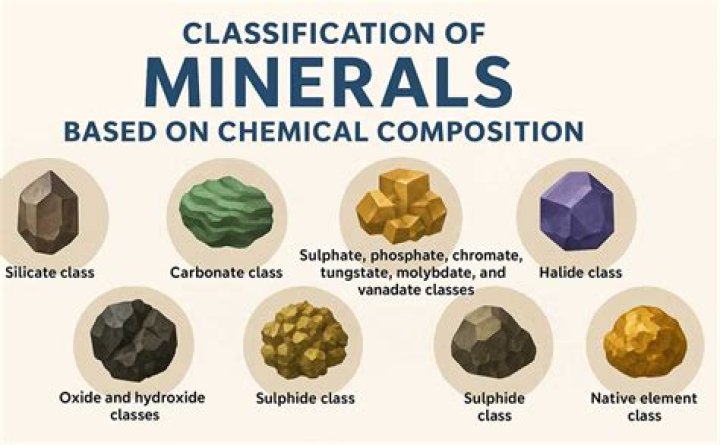
Properties that help geologists identify a mineral in a rock are: color, hardness, luster, crystal forms, density, and cleavage. Crystal form, cleavage, and hardness are determined primarily by the crystal structure at the atomic level. Color and density are determined primarily by the chemical composition.
What are the 7 physical properties?
Physical properties include: appearance, texture, color, odor, melting point, boiling point, density, solubility, polarity, and many others.
What are the 7 properties of matter?
- Volume. Definition.
- Boiling point. Definition.
- Odor. Definition.
- Melting point. Definition.
- Color. Definition.
- Density. Definition.
- Texture. Definition.
What are the examples of physical and chemical properties?
The general properties of matter such as color, density, hardness, are examples of physical properties. Properties that describe how a substance changes into a completely different substance are called chemical properties. Flammability and corrosion/oxidation resistance are examples of chemical properties.
What are the 4 types of properties?
Knowing these properties of numbers will improve your understanding and mastery of math. There are four basic properties of numbers: commutative, associative, distributive, and identity.
What are types of properties?
- Movable and Immovable Property.
- Tangible and Intangible Property.
- Private and Public Property.
- Personal and Real Property.
- Corporeal and Incorporeal Property.
What are the 5 types of property?
There are five main categories of real estate: residential, commercial, industrial, raw land, and special use.
What is material Give 5 example materials?
Examples of materials are wood, glass, plastic, metals(copper, aluminum, silver, gold) , steel, stainless steel, paper, rubber, leather, cotton, silk , sand, sugar, wool, nylon, polyester, water, soil etc.
What is the material give two example?
An example of material is the fabric from which something is made. An example of material are the facts used in a book. An example of material are the jokes a comedian tells. An example of material is the wood used to build something.
What's an example of an example?
Example is defined as something or someone that is used as a model. An example of the word “example” is a previously baked pie shown to a cooking class. An example of the word “example” is 2×2=4 used to show multiplication.
What are the properties of materials for grade 2?
Students will be able to classify materials by their observable properties (color, strength, flexibility, hardness, texture, and absorbency).
How do you explain material to a child?
Materials are the substances that are used to make objects, including everything we use in the world. They can be grouped into five different categories. Each category is defined by its properties, which make materials useful for some purposes and less useful for others.