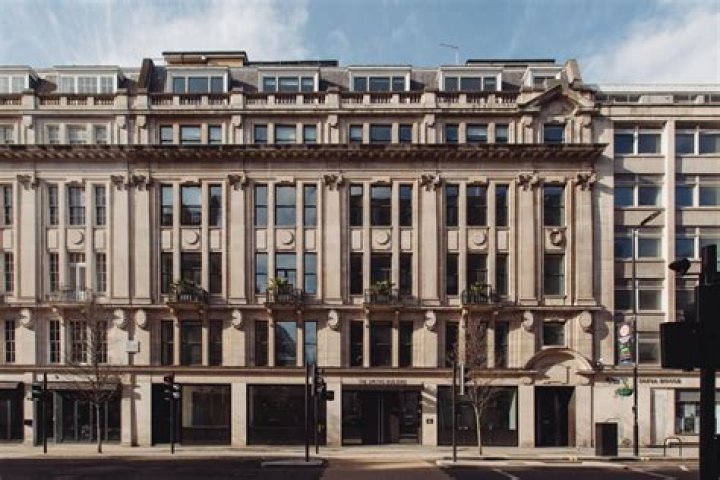
Cool Wall uses new technology in the pigment of the product to reflect infra-red heat from the sun. This allows the finish to perform longer on exterior walls, while keeping the interior of the building cooler and saving costly energy.
How long does Texcote last?
ANSWER: “The COOLWALL® System is designed to last a lifetime. Testing in our state-of-the-art xenon weathering chamber showed the COOLWALL® System was still performing beautifully after the equivalent of more than 10 years exposure, with no end in sight!”
What is TEX COTE COOLWALL?
TEX•COTE® COOLWALL® Coating Systems represent a revolutionary concept in exterior wall coatings. Specially formulated to reflect the sun’s heat, they can lower exterior wall surface temperatures by as much as 40 degrees when compared to traditional paints in many colors.
Is there a paint that reflects heat?
But not all white paint is created equal. Now researchers have made an ultra-white cooling paint that reflects up to 98 percent of the sun’s heat. … White cooling paints are an established cooling technology that help bring down indoor temperatures and thus save the electricity used for air-conditioning in hot climates.What is cool life?
Cool Life® is a high-build coating system which is carefully constructed using a 100% acrylic resin. It provides up to 400% elongation and flexes with changes in temperature. … Cool Life® is one of the most advanced coating technology available today for your home.
What is elastomeric paint?
Elastomeric paint is a coating specifically made to protect masonry surfaces. Like other paints, it is applied in liquid form, which then hardens into a flexible, watertight covering. This paint can stretch and return to its original form without causing damage if applied correctly.
How do I remove Tex Cote paint?
Process: Water blast and scrape the areas to completely remove failing Tex-Cote. Applying a “skim coat” of high-strength, high-bond Portland cement substrate, such as Poly Prep, to the water blasted areas only. Lastly, apply a stucco color coat to the poly prepped areas, textured to match the existing walls.
Does cool paint really work?
It is an eco-friendly paint which upon application to cementaceous, asbestos or MS roofing, increases the emissivity of that surface, which results in reflection of heat energy. Apart from this the non-conductive properties it also provides insulative effectiveness through its uniformity.Does cool coat paint work?
Offering Both Heat Reduction And Cold Protection Paint Film. … Cool Coat is an effective insulator by reflecting infrared radiation from whatever surface it is applied to since most heat is transferred by infrared radiation.
Does cool wall paint work?TEX-COTE® COOLWALL has been shown to reduce the temperature of surfaces it was installed on by as much as 40 degrees Fahrenheit, allowing energy savings of up to 21%. The coating is highly durable and includes Fade Block™ Protection which makes the coating fade resistant.
Article first time published onHow do you apply Texcoat paint?
Apply 2 coats of TEXCOAT Paint by diluting 1 Lit of paint with maximum 450ml. water. A gap of 4~6 hours should be given between 2 coats. Ensure that the horizontal surfaces like top of windows are painted with an additional coat for greater protection.
Who makes cool life paint?
Cool Life is manufactured by Lifetime Plus Coatings of America– the industry leader in premier specialty architectural coatings.
What is the difference between elastomeric paint and elastomeric coating?
Density – The paint is up to ten times thicker than regular paints, and when it is dry you can notice the difference. Elastomeric coating contains up to twenty mils each coating compared to a regular paint, which reaches only about three mils for each coat applied. An excellent example to look at is tarps in a store.
Can I use elastomeric paint on interior walls?
Elastomer Paint is also good for interior surfaces because the elastic property of the paint prevents water from seeping inside the house. This paint is also highly resistant to sunlight, heat, cold, and hard rain. Elastomer Paint is a top choice for homeowners because of its durable properties.
What is the difference between elastomeric and acrylic paint?
For exterior painting, acrylic and elastomeric paints are among the most popular paint types to use due to their flexibility and resistance to the elements. In terms of basic differences, acrylic is a resin type and is usually thin and strong, while elastomeric, a property of paint, is thick and strong.
What is cool coating?
Cool Coat ™ is a tint-able acrylic elastomeric coating that insulates horizontal and vertical surfaces from moisture and reduces surface heat. … Cool Coat™ works on block, brick, stucco, concrete, wood, metal, and EIFS surfaces.
Which is the best cooling paint?
EXCEL CoolCoat – By EXCEL COATINGS is a solar reflective coating, which have ability to reflects maximum amount of UV and infra-red rays. This product has the highest SRI value of 124. Due to this, it prevents the roof from heating up during peak summer season thereby reduces the room temperature.
What is cool paint?
Cool paint is one of the mitigation technologies used to reduce cooling loads in buildings. It is a passive building energy saving solution, which helps to lower surface temperatures of the urban environment by reflecting solar radiation before it can be absorbed.
Is there an insulating paint?
There are several types of insulating paints, the prominent of which are Nansulate, Insuladd, Hy-Tech, and others. The way they work is that you either apply the insulating (or thermal) paint to the interior walls or you mix an additive into your existing paint. Multiple coats are recommended.
How much does white paint reflect light?
Commercially available white paints reflect between 80% and 90% of sunlight, according to lead researcher Prof Xiulin Ruan from Purdue, in West Lafayette, Indiana. “It’s a big deal, because every 1% of reflectance you get translates to 10 watts per metre squared less heat from the Sun,” he explained.
How are green roofs different from cool roofs?
Green roofs use soil and vegetation as living insulation. Cool roofs reflect solar energy. Both reduce building energy use for heating and/or cooling.
How do you get masonry paint off walls?
It is common for some flakes of paint to remain adhered to the wall. Using your trowel, scrape these flakes away, in addition to any stripping agent or residue left in place. If your trowel doesn’t work, scrub with a stiff-bristled brush which should easily remove all kinds of masonry paints and stripping compounds.
How do you remove heavy texture from exterior walls?
Fill a pump sprayer with water and spray the entire wall evenly to soften the texture. You may have to spray the wall two or three times in order to saturate it sufficiently. Give the wall about 15 minutes of dwell time, then test the texture with a fingertip.
Can you use a heat gun on masonry paint?
Preparing the Brick Surface for Paint Removal Pro Tip: if you can see the exposed brick in these areas, then you might be able to use a heat gun to remove the paint. Not only are heat guns a more economical solution, but it’ll also be less messy.
Can you use elastomeric paint on drywall?
Can Elastomeric Paint Be Used On Drywall? Water stains, crayon stains, oil and grease stains, smoke stains on drywall, concrete, stone, metal, and wood can be covered with this waterbase pure acrylic latex paint.
Can you paint over elastomeric coating?
TECHNICAL BULLETIN. Weathered elastomeric coatings may be refreshed by application of a quality exterior acrylic latex paint. Proper surface preparation must be done and the paint applied under appropriate conditions. Remove all dirt, mildew, and chalk.
What is the best way to apply elastomeric paint?
Use a latex brush or roller to apply the paint. Before you begin, get the brush or roller wet, and then squeeze out the extra water. If you have any areas that might have dust, rub some elastomeric on with a floor brush to make the elastomeric stick better (elastomeric will not stick to dust).