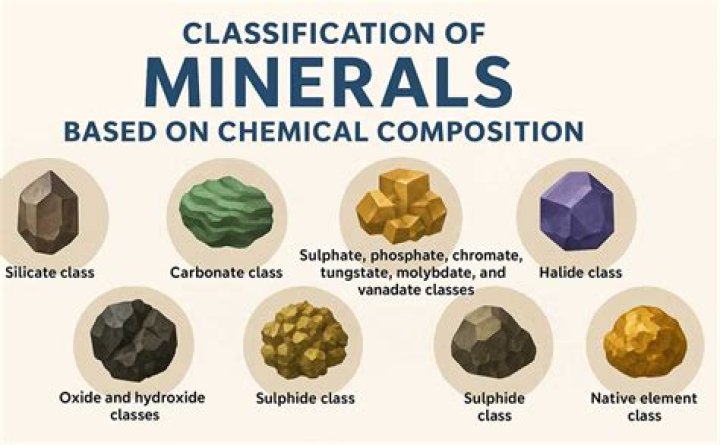
A number of minerals are essential for health: calcium, phosphorus, potassium, sodium, chloride, magnesium, iron, zinc, iodine, sulfur, cobalt, copper, fluoride, manganese, and selenium.
What are the 3 most important minerals that the body needs?
- Iron. Yes, I’m starting with the most obvious. …
- Calcium. We all know calcium is necessary for strong bones, and it’s especially important for kids. …
- Magnesium. Magnesium is crucial for both bone health and energy. …
- Zinc. Zinc has a few key jobs. …
- Potassium.
What are the 7 minerals your body needs?
They include calcium, phosphorus, magnesium, sodium, potassium, chloride and sulfur. You only need small amounts of trace minerals. They include iron, manganese, copper, iodine, zinc, cobalt, fluoride and selenium.
What is the most important mineral in the human body?
Calcium is the most abundant mineral in the human body, making up 1.5 to 2% of the total body weight. Approximately 1,200 g of calcium are present in the body of an adult human; more than 99% of that amount is found in bones.What minerals do you need daily?
Those essential for health include calcium, phosphorus, potassium, sodium, chloride, magnesium, iron, zinc, iodine, chromium, copper, fluoride, molybdenum, manganese, and selenium.
What is the most important minerals to you why?
MineralFunctionPhosphorusImportant for healthy bones and teeth; found in every cell; part of the system that maintains acid-base balanceMagnesiumFound in bones; needed for making protein, muscle contraction, nerve transmission, immune system healthSulfurFound in protein molecules
What water do to your body?
Here are just a few important ways water works in your body: Protects body organs and tissues. Carries nutrients and oxygen to cells. Lubricates joints. Lessens burden the on kidneys and liver by flushing out waste products.
Are all vitamins and minerals necessary?
Whereas all vitamins are needed by the body, only some minerals are required for nutrition. Examples of necessary minerals include calcium, chromium, copper, iodine, iron, magnesium, manganese, phosphorus, potassium, sulfur, sodium, and zinc. … See Table 1 for a comparison of vitamins and minerals.What happens if you don t get enough minerals?
Minerals are specific kinds of nutrients that your body needs in order to function properly. A mineral deficiency occurs when your body doesn’t obtain or absorb the required amount of a mineral. … Mineral deficiencies can lead to a variety of health problems, such as weak bones, fatigue, or a decreased immune system.
What are two good sources of minerals?- meat.
- cereals.
- fish.
- milk and dairy foods.
- fruit and vegetables.
- nuts.
Which vitamins are most important?
- Vitamin D. Vitamin D helps our bodies absorb calcium, which is important for bone health. …
- Magnesium. Magnesium is an essential nutrient, which means that we must get it from food or supplements. …
- Calcium. …
- Zinc. …
- Iron. …
- Folate. …
- Vitamin B-12.
How do you balance minerals in your body?
Dr. Bistrian says that when you eat a healthy diet that includes a variety of vegetables, beans, fruits, whole grains, lean protein, dairy products, and unsaturated fats (like olive oil), you’re likely consuming all the healthy minerals you need. You probably don’t need to pay attention to your daily intake.
What do the major minerals do?
What they do. One of the key tasks of major minerals is to maintain the proper balance of water in the body. Sodium, chloride, and potassium take the lead in doing this. Three other major minerals—calcium, phosphorus, and magnesium—are important for healthy bones.
What nutrients should you eat everyday?
The six essential nutrients are vitamins, minerals, protein, fats, water, and carbohydrates.
What happens if you have too much minerals in your body?
Minerals (especially taken in large doses) can cause side effects such as tooth staining, increased urination, stomach bleeding, uneven heart rate, confusion, and muscle weakness or limp feeling.
What vitamins help build muscle?
- Vitamin D. Vitamin D is essential for your muscles to function normally. …
- Vitamin A. Vitamin A plays an important role in muscle growth. …
- Vitamin C. This is another important vitamin for muscle health. …
- Vitamin E.
When should you not drink water?
- When you already chugged a bunch. Steve West/getty images. …
- When your pee is clear. gpointstudio/Getty Images. …
- When you ate a big meal. Tara Moore/Getty Images. …
- When you’re doing a super-intense workout for a long period of time. …
- When the water has a not-so-sweet secret.
What happens when you only drink water?
What are the risks of a water diet? When your main (or only) intake is water, your body loses crucial nutrients it needs. The short-term result is that you will lose a lot of weight, most of which will be water not fat, says Upton.
What is the healthiest water to drink?
What Is The Healthiest Water To Drink? When sourced and stored safely, spring water is typically the healthiest option. When spring water is tested, and minimally processed, it offers the rich mineral profile that our bodies desperately crave.
What are the signs of a magnesium deficiency?
- loss of appetite.
- nausea and vomiting.
- fatigue and weakness.
- shaking.
- pins and needles.
- muscle spasms.
- hyperexcitability.
- sleepiness.
How do you know what nutrients you are lacking?
To find out if you have nutrients deficiencies, consider discussing your dietary habits with your doctor. Symptoms of undernutrition include weight loss, fatigue, irritability and micronutrient deficiencies. Overnutrition can result in overweight, obesity and a lower intake of certain vitamins and minerals.
Are Bananas high in magnesium?
Bananas. Bananas are among the most popular fruits in the world. They’re best known for their high potassium content, which can lower blood pressure and is linked to a reduced risk of heart disease ( 40 ). But they’re also rich in magnesium — one large banana packs 37 mg, or 9% of the RDI (41).
What are the 6 essential nutrients?
There are six major nutrients: Carbohydrates (CHO), Lipids (fats), Proteins, Vitamins, Minerals, Water.
What are the 5 most important vitamins?
- Vitamin A. Vitamin A keeps your heart, lungs, liver and other organs working properly. …
- Vitamin D. Vitamin D builds strong bones by helping our body absorb calcium from food and supplements. …
- Vitamin E. …
- Vitamin K. …
- Iron. …
- Magnesium. …
- Zinc.
How can I get vitamins and minerals in one day?
Eating a mix of foods is the best way to get all the vitamins and minerals you need each day. Fruits and vegetables, whole grains, low-fat dairy products, lean meats, fish, and poultry are the best choices for getting the nutrients your body needs.
What to eat to get all nutrients?
Getting them through food ensures your body can absorb them properly. Try to eat a variety of foods to get different vitamins and minerals. Foods that naturally are nutrient-rich include fruits and vegetables. Lean meats, fish, whole grains, dairy, legumes, nuts, and seeds also are high in nutrients.
How do you get all the minerals you need?
- Shop for fresh and local food items. …
- Steam vegetables or eat them raw. …
- Swap your drinks for fruit smoothies and juices. …
- Make nuts a staple. …
- Ingest more dairy products. …
- Eat fish regularly.
Do you need minerals in water?
Drinking water should contain certain amounts of specific minerals. … Mineral water gives us a boost of many of those nutrients as well. Some of the essential minerals you’ll find in drinking water are zinc, sodium, potassium, magnesium, iron, calcium, and bicarbonate. Each one has a distinct list of health benefits.
What is zinc good for?
Zinc, a nutrient found throughout your body, helps your immune system and metabolism function. Zinc is also important to wound healing and your sense of taste and smell. With a varied diet, your body usually gets enough zinc. Food sources of zinc include chicken, red meat and fortified breakfast cereals.
What is Magnesium good for?
Magnesium plays many crucial roles in the body, such as supporting muscle and nerve function and energy production. Low magnesium levels usually don’t cause symptoms. However, chronically low levels can increase the risk of high blood pressure, heart disease, type 2 diabetes and osteoporosis.
Can I take 5 different vitamins at once?
You can—but it’s probably not a good idea. For some supplements, optimal absorption can depend on the time of day taken. Not only that—taking certain vitamins, minerals, or other supplements together can also reduce absorption and may result in adverse interactions, which can be harmful to your health.